qui

Acupuncture and PCOS/PMOS: What does the Research Show?

Polycystic Ovary Syndrome (PCOS) is a complex neuroendocrine and metabolic disorder that affects millions of women worldwide. Characterised by ovulatory dysfunction, hyperandrogenism, and polycystic ovarian morphology, PCOS is often accompanied by insulin resistance, metabolic syndrome, and psychological distress. Traditional Western medical interventions primarily rely on symptom management through oral contraceptives,
Read More »

Acupuncture and Endometriosis: What does the Research Show?

Endometriosis is a leading cause of female subfertility, affecting a substantial percentage of women who struggle to conceive naturally or via assisted reproductive technologies (ART). From a conventional medical perspective, the condition impairs fertility by altering pelvic anatomy, triggering chronic systemic inflammation, degrading egg quality, and compromising endometrial receptivity. While

Read More »

Acupuncture and TCM for Blocked Fallopian Tubes: What does the Research Show?

Tubal Obstructive Infertility (TOI) accounts for a significant portion of female fertility struggles, often triggered by pelvic inflammatory disease (PID), infections, endometriosis, or surgical adhesions. While conventional interventions frequently lean toward invasive surgical procedures or direct referral to IVF, a robust body of medical literature highlights Traditional Chinese Medicine (TCM)—specifically

Read More »

Acupuncture and TCM for Recurrent Miscarriage – What Does the Research Show?

Recurrent miscarriage, clinically defined as the loss of two or more consecutive pregnancies, is a deeply distressing experience for aspiring parents. While conventional medicine often struggles to find a definitive cause — leaving up to 50% of cases diagnosed as “unexplained” — TCM and acupuncture offer a holistic, evidence-based approach

Read More »

Acupuncture and TCM for Male Factor Infertility – What Does the Research Show?

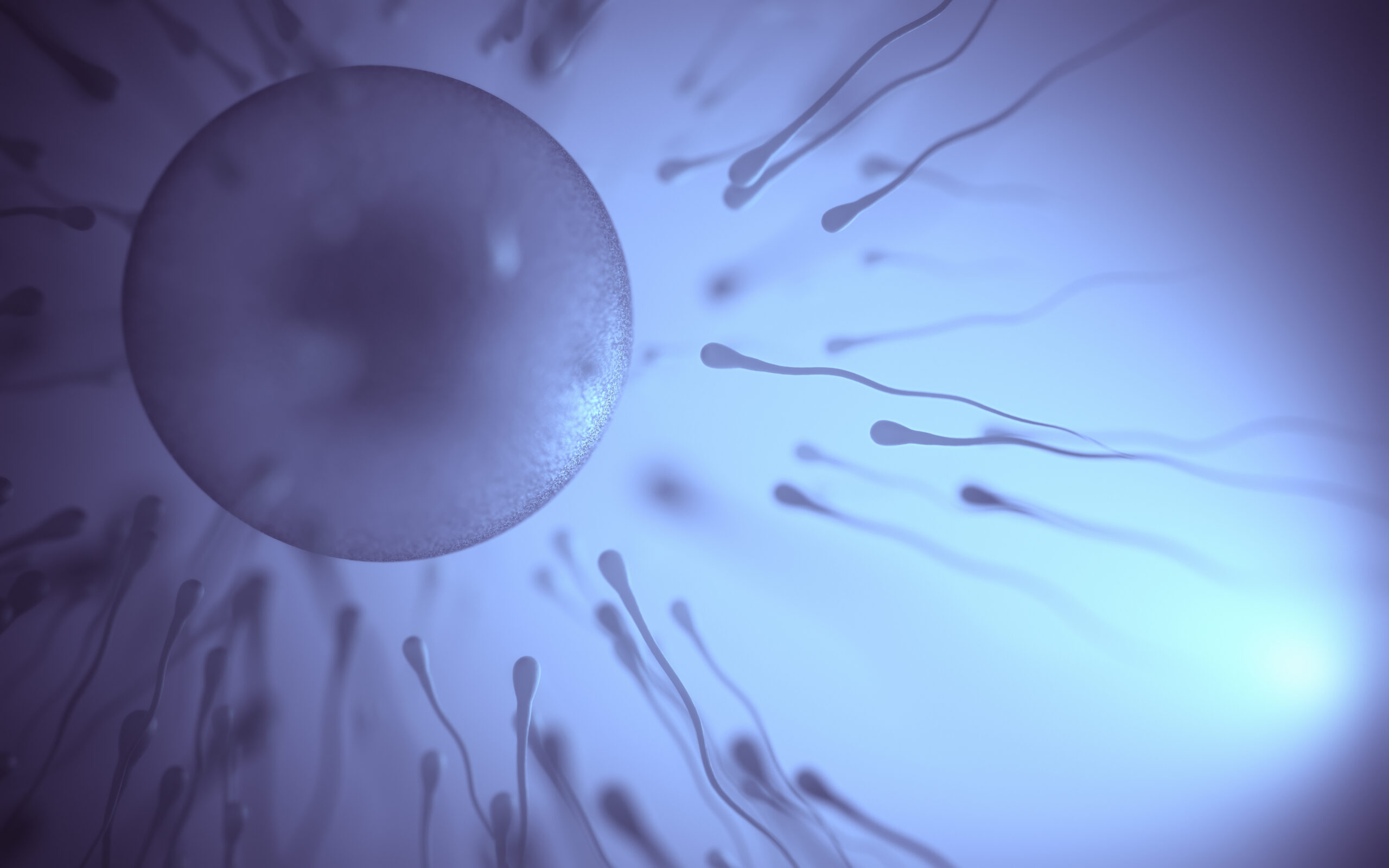
When couples experience difficulties conceiving, the clinical focus has historically turned toward female reproductive health. However, global data reveals that male factor infertility accounts for approximately 40% to 50% of conception challenges. Standard semen analysis measures critical parameters, including sperm concentration, motility (swimming ability), and morphology (structure and shape). While

Read More »

Acupuncture for Menopause – What Does the Research Show

Menopause is a major life transition that brings significant physical and emotional changes. For many women, symptoms like hot flushes, night sweats, insomnia, and mood shifts can deeply affect their daily quality of life. Acupuncture and Chinese herbal medicine offer a safe, holistic, and evidence-backed alternative that work in harmony

Read More »

Acupuncture and Amenorrhoea: What does the Research Show?

Amenorrhoea, defined as the absence of a menstrual period, presents a complex challenge in women’s reproductive health. Whether it is primary or secondary—often triggered by stress, sudden weight changes, stopping hormonal birth control, or underlying conditions like polycystic ovary syndrome (PCOS) and diminished ovarian reserve (DOR)—the missing period indicates a

Read More »

Acupuncture and Dysmenorrhoea: What does the Research Show?

Primary dysmenorrhoea—defined as painful cramping in the lower abdomen without underlying pelvic pathology—affects up to 90% of adolescent girls and women of reproductive age. While conventional treatments like nonsteroidal anti-inflammatory drugs (NSAIDs) and hormonal contraceptives are widely used, they frequently cause unwanted side effects or fail to provide complete relief.

Read More »

Acupuncture and PMS/PMDD: What does the Research Show?

Acupuncture and Chinese herbal medicine offer highly effective, safe, and clinically proven relief for Premenstrual Syndrome (PMS) and Premenstrual Dysphoric Disorder (PMDD) by significantly reducing symptom severity by 50% or more. While Western protocols frequently rely on hormonal contraceptives or antidepressants to manage these conditions, they often fail to address

Read More »

Acupuncture and Urinary Incontinence: What does the Research Show?

Acupuncture and Traditional Chinese Medicine (TCM) offer a effective, minimally invasive approach to managing urinary incontinence (UI). This comprehensive summary synthesises current clinical research, highlighting how acupuncture and Chinese herbal medicine effectively treat stress urinary incontinence (SUI), urgency urinary incontinence (UUI), and mixed urinary incontinence (MUI). For patients seeking alternatives

Read More »